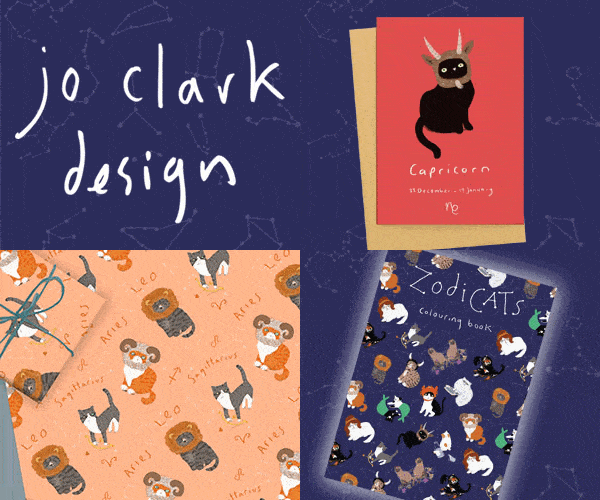



Here is a selection of features from Gift Focus magazine.
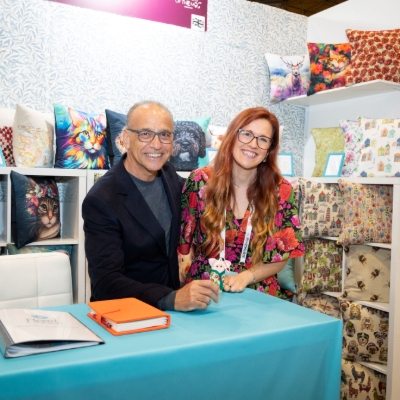
Spring Fair, the retail industry's leading home, gift and fashion experience, has announced the continuation of its successful partnership with retail entrepreneur Theo Paphitis and his #SBS Small Business Sunday initiative for 2027 with a significant expansion in opportunity for small businesses. For the first time, 18 small businesses will be awarded fully funded exhibition stands within the popular #SBS Village at Spring Fair 2027, a 50% increase from the previous 12, marking the largest intake since the partnership began and increased investment from Spring Fair. The initiative continues to champion the UK's most exciting small businesses, providing a powerful platform to showcase products, connect with buyers, and accelerate growth within the retail sector.

Applications for exhibition space at Toy Fair 2027 are now officially open via the Toy Fair website. Organised by the British Toy & Hobby Association (BTHA), Toy Fair will once again return to Olympia, London, from the 19th to 21st January 2027, spanning the iconic Grand, National and Upper West Halls for three dynamic days of business, networking and product discovery.
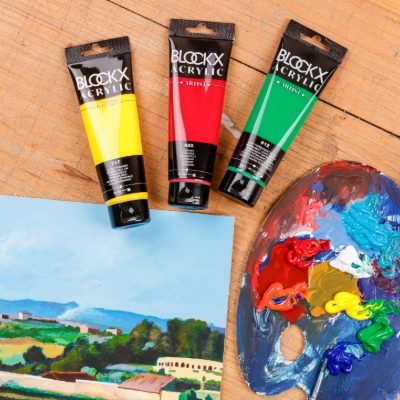
This Q&A with Amelia Gallichan, Sales and Marketing Assistant at Exacompta Clairefontaine, explores the company's transformation from Tollit & Harvey to Exaclair Ltd, and what that shift has meant for growth, design and the wider stationery sector. Exacompta Clairefontaine is a French company with a long and respected history in the stationery and creative industries, dating back to 1858. Over the years, the group has expanded internationally, with subsidiaries and operations across the globe, including in Japan, the US, and Europe.
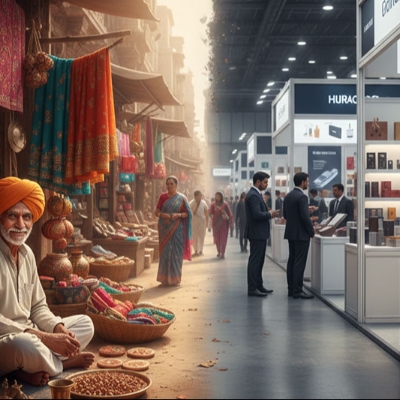
If you stand at the edge of an ancient Indian bazaar and a modern gifting expo, you'll notice something remarkable; though centuries apart, both pulse with the same human instinct: the joy of finding the perfect gift. In old market streets, gifting lived in textures and voices; the clink of brass lamps, the scent of hand-ground spices, the soft chaos of families searching for something meaningful to take home. Craftsmen carved, stitched, hammered, and wrapped their creations with a sense of pride, knowing that each piece would soon hold someone's affection.
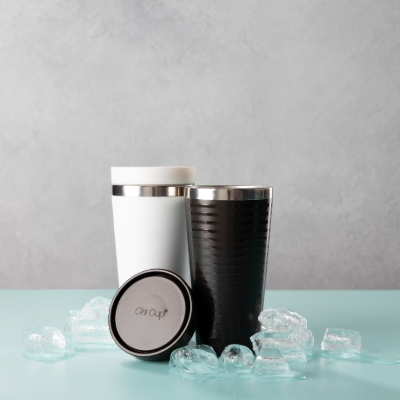
The people have spoken, and the results are in! Gift of the Year, organised by The Giftware Association, is thrilled to announce that Chi Cups by Chi Cups has been officially crowned the sixth People's Choice Champion, earning an overwhelming number of votes—nearly 20% of the total—and capturing the hearts of fans and supporters within their network. The award was announced at the Harrogate Home and Gifts Sundowners drink, held after the first day of trading.

Fabian Santoro, co-founder of Xpofairs and online tradeshow platform, explains more about the company and its new gift tradeshow for 2025, The Gift Fair. When did you start up the company and why? Officially, Xpofairs launched in 2024, but our story goes back much further. Our founders, (who have over 70 years of combined experience in exhibiting and visiting at traditional trade shows) have been grappling with the challenges of this industry for years. We started by talking to hundreds of companies and buyers, alongside reflecting on our own experiences.
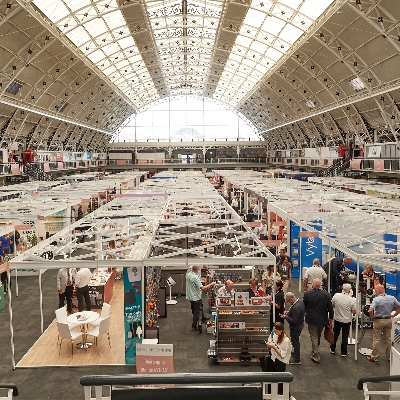
With the Exclusively show (Business Deign Centre Islington 11thand 12th June) already 100 percent sold out in terms of exhibitors,there is a feast of giftware on view and on trend, all ready for giftretailers to enjoy.Gift appropriate exhibitors in tableware, kitchenware,and small domestic electricals include Arthur Price, Denby,Dartington Crystal, The DRH Collection, DKB Household, Kilner,Le Creuset, Lifetime Brands, Meyer, Rayware, Robert Welch andViners as well as new and returning brands such as Portmeirion,Bodum, Minky, International Cookware & Pyrex, Aarke, ABS Pottery,Zero Water, Premier Housewares and Museums & Galleries.There are a host of ways for retailers to access both exhibitors,products and show features to make the most of a visit toExclusively. Some of the great show deals available includeopportunities to have travel costs refunded up to £75 for visitors,a limited number of free hotel rooms for multiple and overseasbuyers, and a gift voucher of £100, which independent retailerscan use against any order of £300 or over placed at the show.
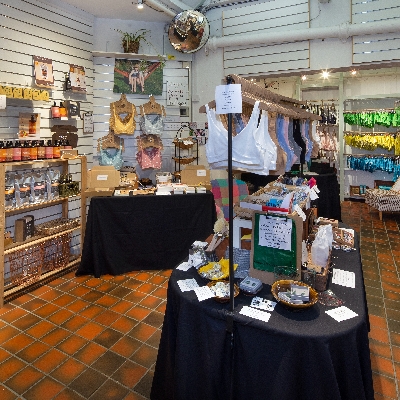
I was volunteering in Uganda in 2016 whenI discovered the problems caused by nothaving underwear, something that we take forgranted every day. It is estimated that 1 in 10women and girls globally miss up to 25 percentof their education or work because they don'thave any underwear, particularly duringtheir periods.I know how important education andeconomic independence is for girls andwomen and so I wanted to do somethingabout it. When I subsequently discovered theproblems caused by conventional cotton, oneof the world's most polluting crops, and thefashion industry more broadly, I couldn't notact. That became the 3 main pillars to how wework – we only use fully Fairtrade and GOTS
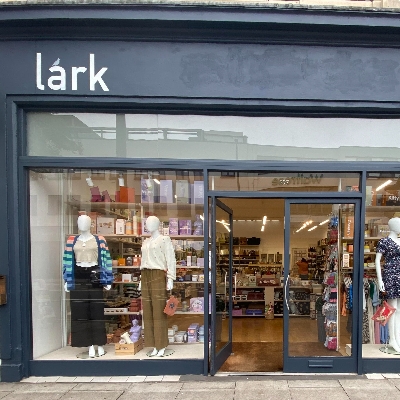
Award-winning London based retailer Lark London offers a boutique experience that'saccessible for all. Here, Founder Priya Aurora-Crowe shares more. The business began over 20 years ago in an attempt to help revive the high street. Dominic opened with his best friendto try a new venture in a completely unfamiliar industry. Location is key, we aim for London villages for our target audience, but this is a personal preference, it's not a necessity for success. Cash flow was the first challenge but Princes Trust helped us by giving us a grant to open the first shop, which was incredible for us, and without this grant we may not be where we are today.

The trio of Frankfurt consumer goods fairs,consisting of Ambiente, Christmasworldand Creativeworld, impressivelydemonstrated that the entire globalconsumer goods industry was a guestat the fully booked Frankfurt exhibitiongrounds for five days. Even the rail strikecould not dampen the success: "Missionaccomplished! Together with around5,000 exhibitors and participants fromover 170 countries and regions, thistop-class trade fair trio strengthens theconsumer goods industry in uncertaintimes", summed up Detlef Braun, Memberof the Executive Board of Messe Frankfurt.The Frankfurt trade fair trio withinternational appeal has once againproven to be a leading event thatprovides orientation for retailers andmanufacturers. "Once a year andonly here in Frankfurt! The economy isunder enormous pressure in the face ofincreasing global tensions. That's whypersonal encounters, new solutions,inspiration and the development of newexport markets and sales channels suchas Hospitality and the contract businessare irreplaceable," emphasises Braun.Voices from the industry underlinethis: "Once again, the trade fair trioof Ambiente, Christmasworld andCreativeworld asserted its immenseimportance as the number one orderplatform for the German specialisedtrade. The retail trade's need forinnovations, the chance to experienceand order products in a personalencounter on site were the key factorsthat characterised the spirit of the tradefair. Retailers are entering the new yearwith a strong tailwind and many tradefair trends," summarises Christian Haeser,Managing Director of the German Homeand Office Trade Association (HWB).Michael Berz, President of theGerman Culinary and TablewareTrade Association, adds with regardto Ambiente: "Like other specialisedsectors, the industry for glass, ceramicsand porcelain is facing challenges in adifficult economic environment. Ambienteis a strong and reliable partner for ushere - especially now. With the expansionof the HoReCa area, the trade fair hasconsistently developed the diningsegment. This opens up even morebusiness opportunities for our members.Ambiente provides a lot of good, forwardlooking impetus. That gives us hope."

Strengthening business relations can be done in many ways, with some people exploring quality communications or even experiences to bring people together. Some businesses even look to gift giving to help further their connection. In fact, data shows that 42 percent of corporations say they give gifts for relationship management purposes. Katy Baxter, Corporate Affairs Director at food hamper business, Baxters of Scotland, says: "Building and strengthening relationships in business doesn't have to be difficult. It can be easy to get lost in the business identity, but at the end of the day, there's someone on the other end helping build this relationship, too. Keeping good connection and communication between businesses can be achieved through a simple email or small gift to show your appreciation."
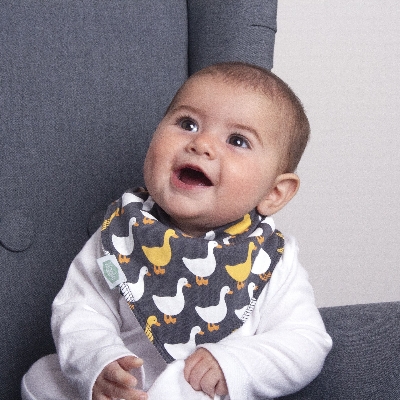
Nicole Graham founded Ziggle Baby when she discovered that zip fastenings workedbetter for her baby than poppers. The business is now award-winning and offersproducts at various price points to cater to all parents

n every era, society faces that pivotal moment where agroundbreaking concept emerges, challenging the statusquo and inviting a flood of opinions. Artificial Intelligence (AI)represents one such contemporary crossroads, sparkingdiscussions not just about technological capabilities, but aboutthe very essence of human ingenuity and our place alongsidethese machines.Amid whispers of concern that AI might usurp human roles, it'sclear that AI can never match the creativity and judgement onlythe human mind is capable of making. While AI excels at siftingthrough data at breakneck speeds, it falls short on grasping thefiner points of nuance, human sensitivity and empathy.Our latest report – Redefining Intelligence: The Growth of AIAmong Small Businesses – underscores that point, illustratinghow AI is best utilised as an aid to human intelligence, not areplacement.

Brand protection is a critical aspect of maintaining the integrityand value of a company's identity in today's digital age. Onesignificant challenge companies face is online theft, particularlyin the realm of design. Whether it's copying product designs,logo infringement, or plagiarism of creative content, such actsnot only erode a brand's unique identity but also undermine itsmarket position and revenue.To combat online theft from an anti-copying in designperspective, companies must adopt proactive measures. Firstly,registering trademarks and designs and designs is fundamental.These legal protections provide a solid foundation for pursuinglegal action against infringers. Additionally, watermarkingimages and incorporating hidden identifiers into digital contentcan deter unauthorised use and help track down perpetrators.ACID members can use the IP Databank, ideal for uploadingdesigns, plans, and copyright works. It facilitates cost effectdocument management and can be used in all sorts of situationsadding to the audit trail as vital evidence of a design's evolutionand the incremental stages.
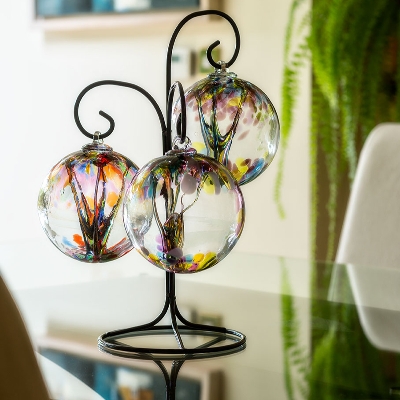
Hannah Walker from Sienna Glass tells Gift Focus Editor Louise Prance about the artisan crafted products and the company's expansion into home ornaments, tableware, and aromatherapy products. We started 10 years ago after searching for a glass product for another project. Through this research we discovered a whole world of stunning glass products, fell in love with them and the rest, as they say, is history. Whilst taking a break from full time work to care for my elderly parents I was able to start a mail order business selling glass giftware. With lots of ideas for new products bouncing around in my head, I eventually found a manufacturer who could turn my ideas into a reality. With the help of my daughter Hanna, who was just finishing her business degree at university, Sienna Glass Ltd wholesale was born.

During the Great Resignation, which sawemployees voluntarily leaving their jobsen masse, recent statistics revealed that 29percent of women thought about leavingtheir current jobs, reducing hours ordropping out of the workforce altogether.With International Women's Day, backin March, gaining more traction than ever,many businesses are continuing to look athow to help more women feel supportedand empowered at work.Caroline Gleeson, CEO at Occupop,leading recruitment software experts, said:"International Women's Day is a day ofcelebration and advocacy for women'srights and equality around the world, butit doesn't have to end there. This spirit ofinclusion can be a springboard to fairerpractices all year round."Here's how businesses can retain theirtop female talent for the future.

Employees and workforces across the UK are feeling the strain of the cost of-living, with the Office for National Statistics (ONS) finding that nearly half of households throughout the country have experienced their living costs increasing compared to the previous month. Not only can this have a huge impact on expenses for commuting but can have a significant knock-on effect on mental health and morale. This is where employers and businesses can support their workforces during these difficult times to help keep morale and well-being boosted, as well as providing options that can help relieve some of the financial pressure that they're under. Before providing solutions to the issue, it's important to understand the reality of this crisis and how the ripple effects impact millions of workers in the UK. The rise of consumer goods and services by 9.6 percent in October 2022 and the inflation rate staying at 4.2 percent exiting December 2023 means that workers are forced to reevaluate how they manage their money and the resources available.

Visit the inaugural Pure London x JATC show to discover a plethora of global fashion brands and experience catwalk shows that highlight the upcoming trend.The inaugural Pure London x JATC show, The London Festival ofFashion, will take place on the 14th – 16th July 2024 at the iconic,Olympia London.A trade collective of global fashion designers, brands, buyers,creative minds and industry leading educational seminars, therevolutionary fashion buying event will offer buyers an increasednumber of inspirational brands across eight exciting destinations.
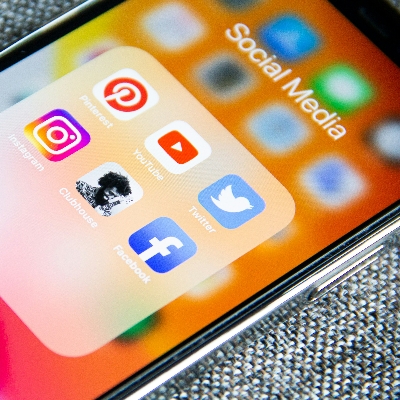
Whilst intellectual property (IP) infringement issues are on the increase, help is at hand from many simple, no cost safeguards that can be put in place immediately, to support by implementing expert AI monitoring and enforcement techniques Some of the main challenges include impersonation and account takeover. Impersonation, in other words account cloning, copying, copying brand logos, or using brand identities to click on 3rd party websites and promote scams is an issue as is account takeover, the spurious hacking and taking over dormant accounts to promote scams.

'The Summer of Sport' is almost upon us – and what a summer it's set to be. The UEFA Euros, Wimbledon and of course, the Paris 2024 Olympics are all kicking off over the next few weeks. And with them comes a golden opportunity for independent retailers across the UK. With the world's eyes on Europe, the UK is set to enjoy a substantial uptick in visitors and local celebrations. Consumer confidence and spending is also expected to rise as Brits engage in garden parties, community events and a fair few trips to the local pub.